5 Must-Visit Places in Seoul for First-Time Visitors
A short, walkable shortlist for a first trip to Seoul — Gyeongbokgung palace, Bukchon hanok village, the Namsan tower view, Gwangjang Market, and the Seongsu-dong cafe district — with how I'd string them together.
If you’ve got a few days in Seoul and it’s your first time, the mistake I’d steer you away from is trying to see everything. Seoul is big, and racing the subway across it all day is how a trip stops being fun.
These five stops do the opposite. They cluster into two easy halves — a historic morning around Gyeongbokgung, and a modern afternoon-into-evening east of the river — and between them you get palace architecture, an old residential neighbourhood, the city view, a market meal, and a look at where Seoul is now.
Which one is which?
| Place | What you get | Nearest station | Time to give it |
|---|---|---|---|
| Gyeongbokgung Palace | The big Joseon palace; the guard ceremony | Gyeongbokgung (Line 3) | 1.5–2 hr |
| Bukchon Hanok Village | A lived-in neighbourhood of traditional houses | Anguk (Line 3) | 45 min–1 hr |
| N Seoul Tower (Namsan) | The 360° city view, best at dusk | Myeongdong (Line 4) + cable car | 1.5–2 hr |
| Gwangjang Market | Street-food lunch or dinner in an old market hall | Jongno 5-ga (Line 1) | 1 hr |
| Seongsu-dong | Cafes and shops in converted workshops | Seongsu (Line 2) | An afternoon |
1. Gyeongbokgung Palace
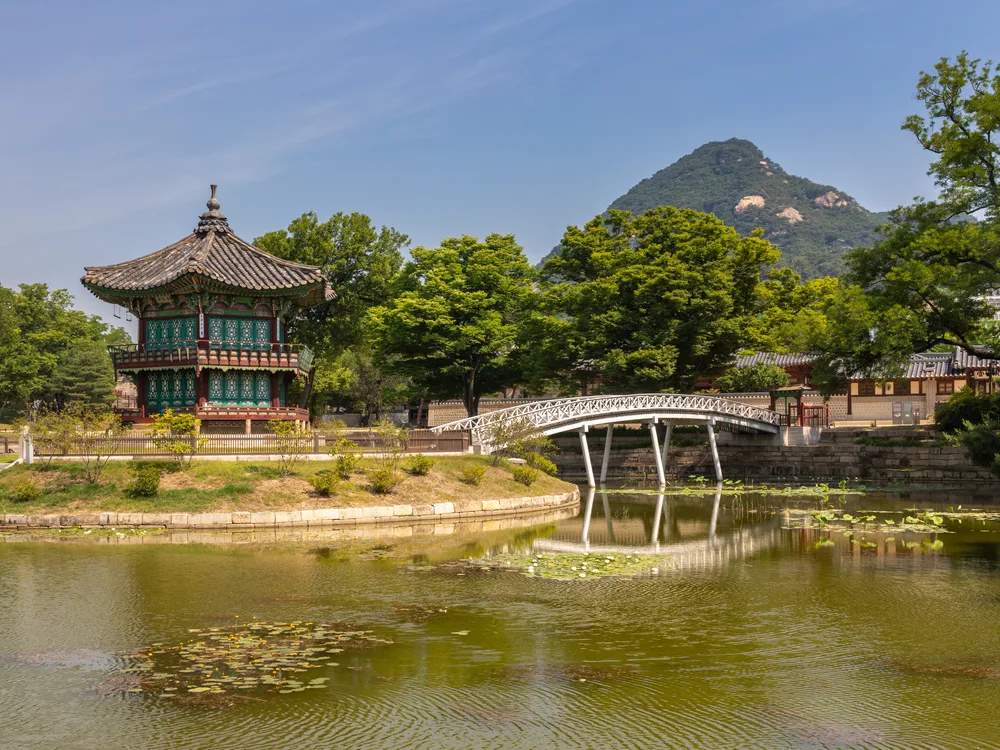
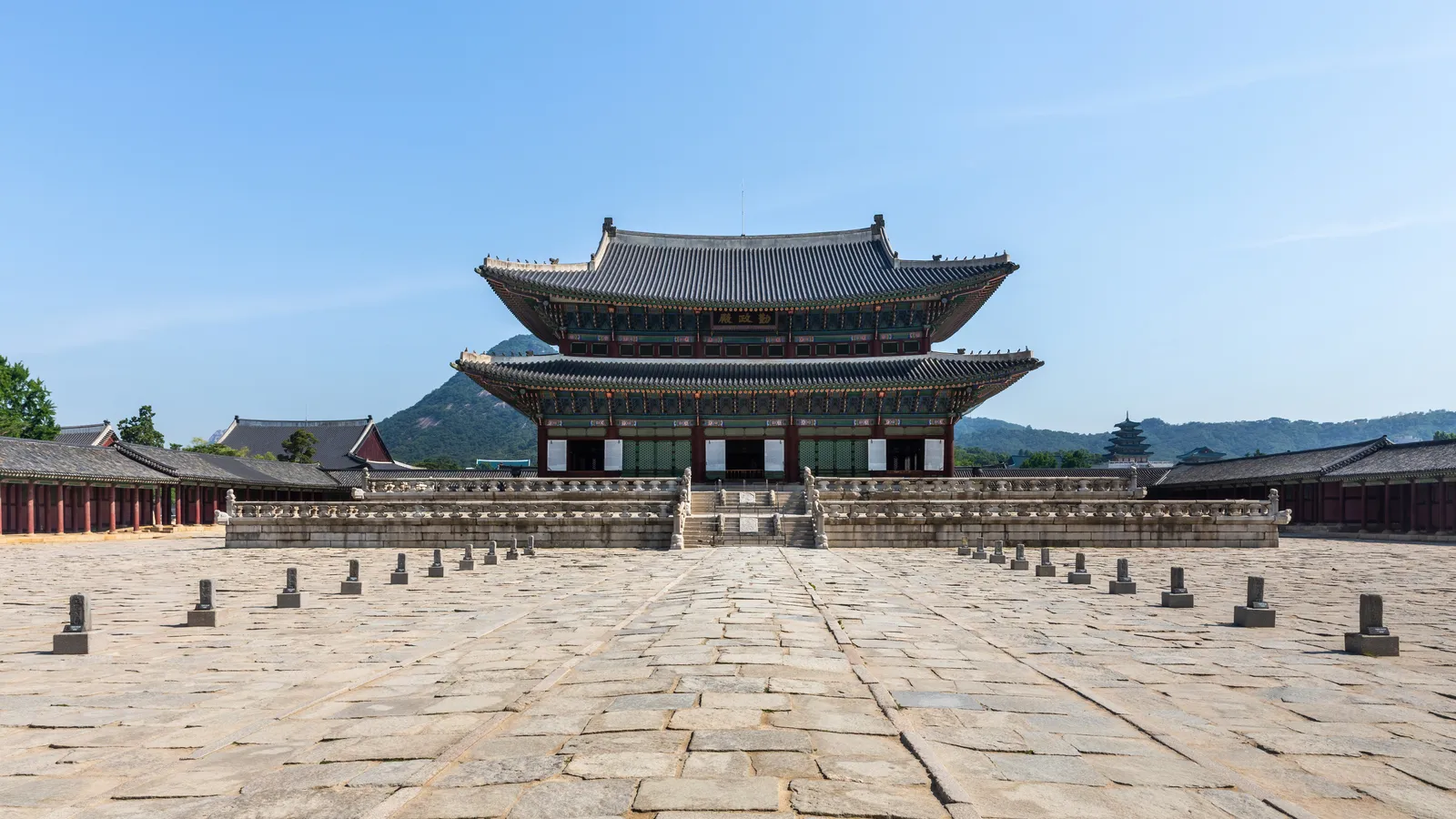
Start here. Gyeongbokgung is the largest of Seoul’s five Joseon-era palaces and the clearest single introduction to traditional Korean architecture — the throne hall on its stone terrace, the long tiled roofs, the little pavilion on the pond out the back. Go right at opening; by mid-morning the courtyards fill with tour groups and rented hanbok.
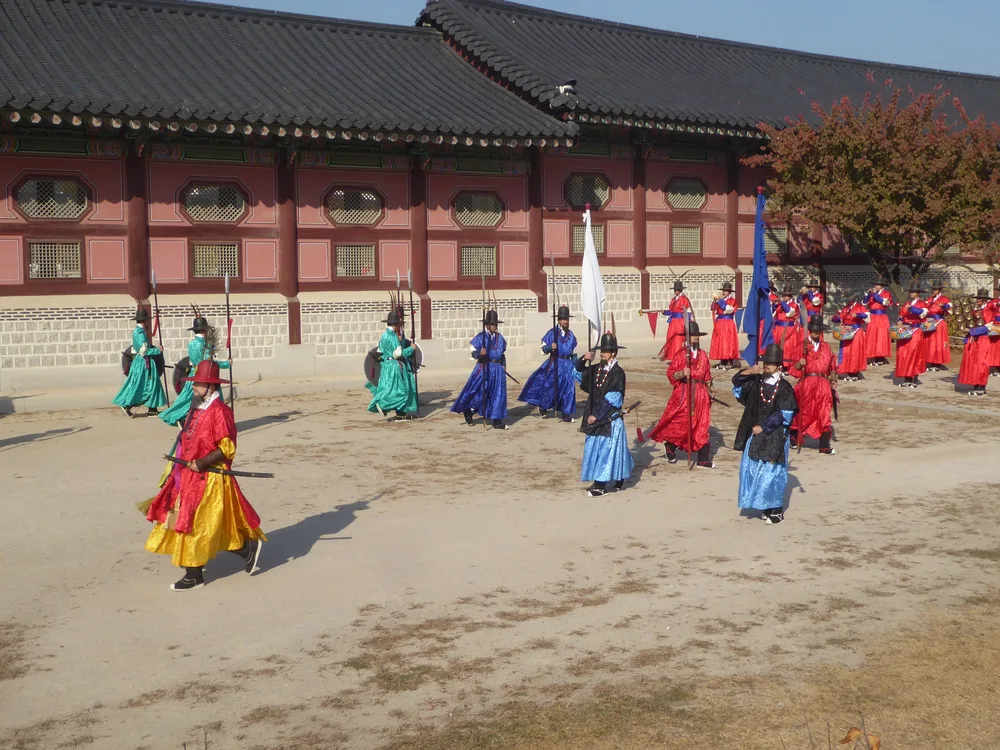
The changing-of-the-guard ceremony happens outside the main gate at set times through the day (usually mid-morning and early afternoon, weather permitting) — worth timing your arrival around. If you turn up in hanbok, admission is free.
Gyeongbokgung Palace
Jongno-gu
The largest and most legible of Seoul's grand palaces, and the natural start to a historic morning. The guard ceremony outside the gate is the best free show in the city.
- Best time
- Right at opening (09:00); closed Tuesdays
- Getting there
- Gyeongbokgung Station (Line 3), Exit 5 — the exit comes up inside the palace grounds.
2. Bukchon Hanok Village
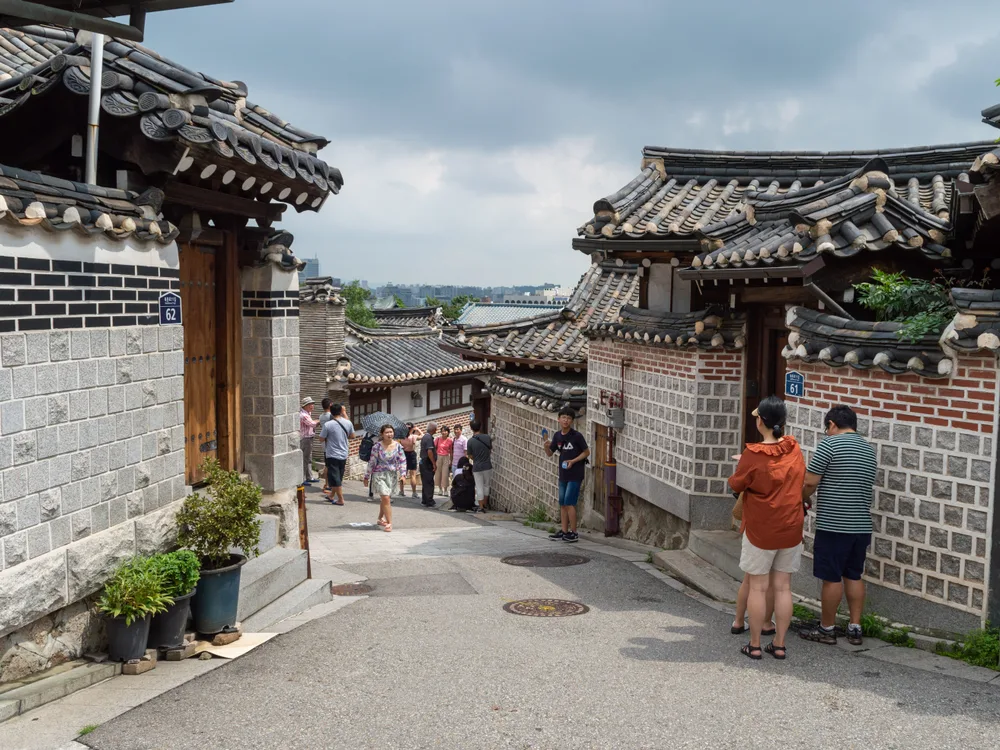
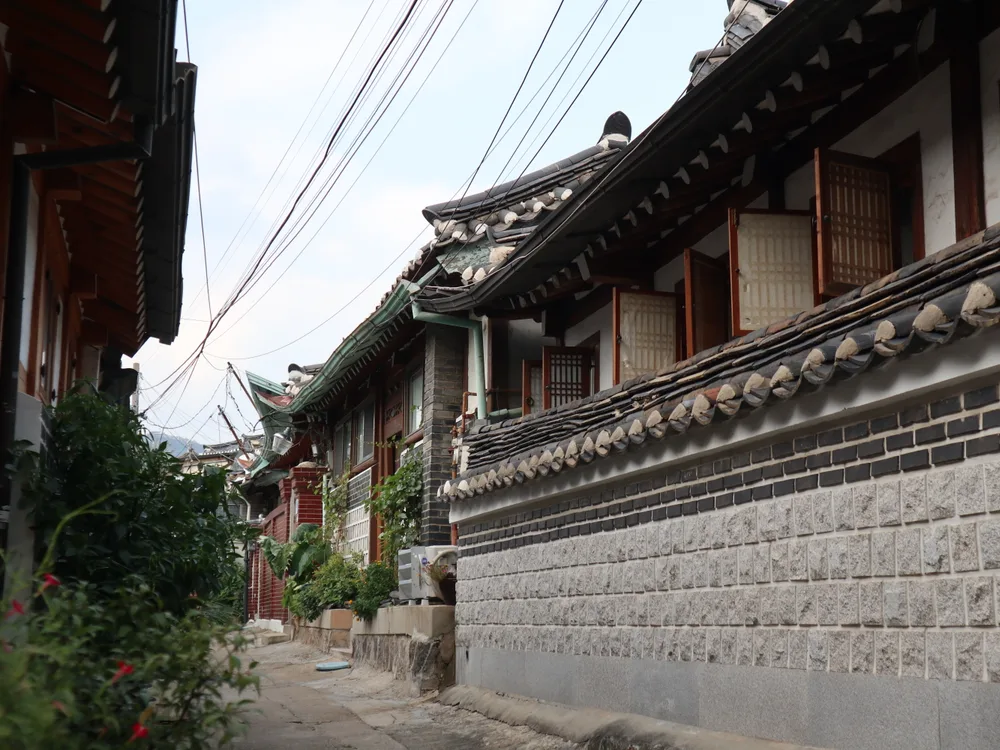
A ten-minute walk from Gyeongbokgung, so the two pair naturally in one morning. Bukchon is a hillside grid of restored hanok — traditional tile-roofed houses — and the thing to know is that people still live in most of them. It’s a neighbourhood, not a museum. Keep your voice down, don’t photograph into doorways, and you’ll be fine; there are signs and even quiet-hour marshals because enough visitors haven’t.
Go early. The main viewpoint lane gets shoulder-to-shoulder by late morning, and the quiet back lanes — which are honestly nicer — are empty at 9am.
Bukchon Hanok Village
Between Gyeongbokgung and Changdeokgung
A real lived-in neighbourhood of traditional houses, a short walk from the palace. Best done as the second half of a historic morning, before the crowds build.
- Best time
- Early morning for empty lanes; residents ask visitors to keep the noise down
- Getting there
- Anguk Station (Line 3), Exit 2, then uphill.
3. N Seoul Tower (Namsan)
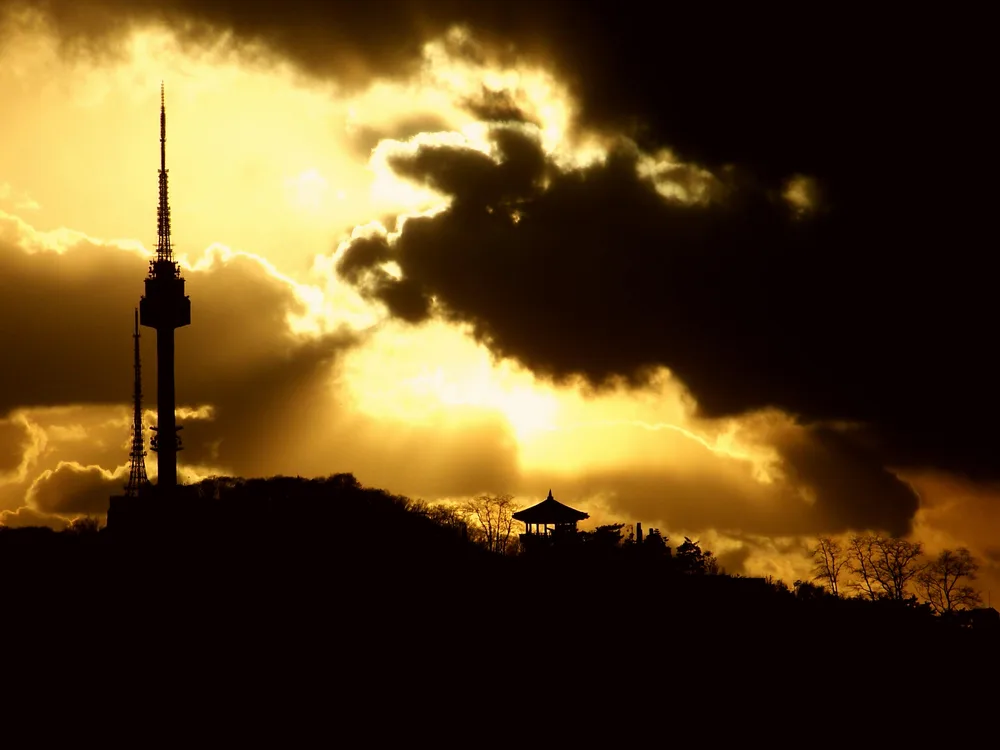
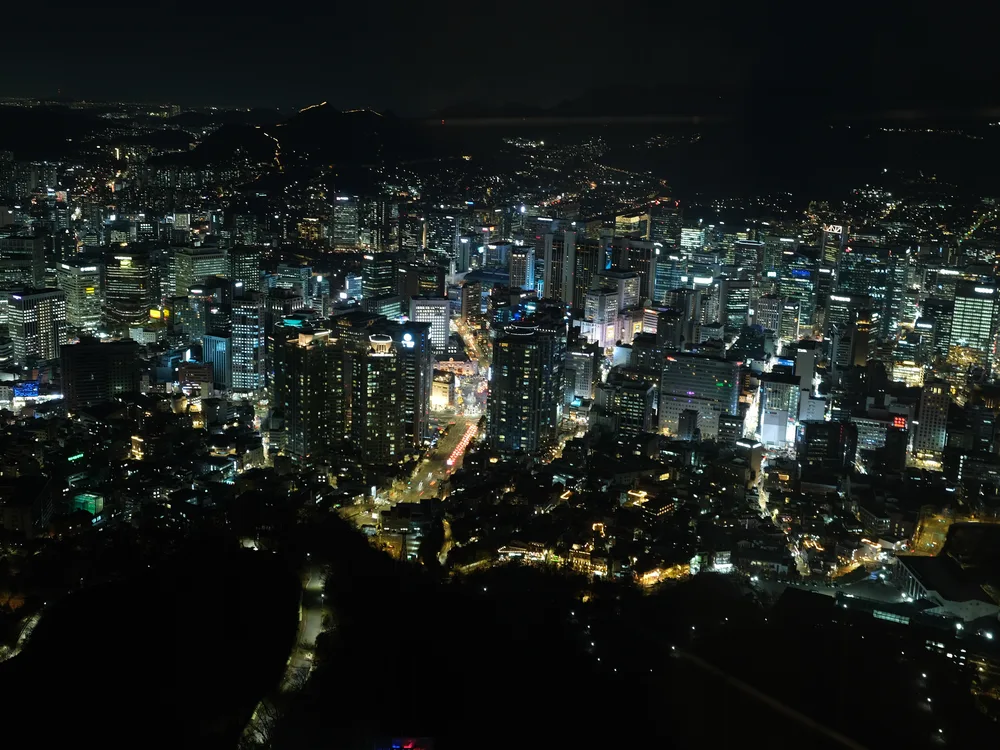
This is the city’s postcard viewpoint, on top of the wooded hill in the middle of Seoul. You can walk up Namsan in about 40 minutes, take the cable car from near Myeongdong, or ride the little yellow Namsan bus. The observation deck gives a genuine 360°: mountains on every side, the Han River, the city running off to the haze.
Time it for late afternoon into dusk so you get daylight, the sunset, and the lights all in one visit. You don’t strictly need to pay for the deck — the plaza at the base is free and the view from there is already very good.
N Seoul Tower (Namsan)
Namsan, central Seoul
The 360° view that puts the whole city in one frame. The one stop here worth planning your day's timing around.
- Best time
- Arrive ~90 minutes before sunset for daylight, dusk and lights in one go
- Getting there
- Namsan cable car from near Myeongdong Station (Line 4), Exit 3; or the Namsan circular bus; or walk up.
4. Gwangjang Market
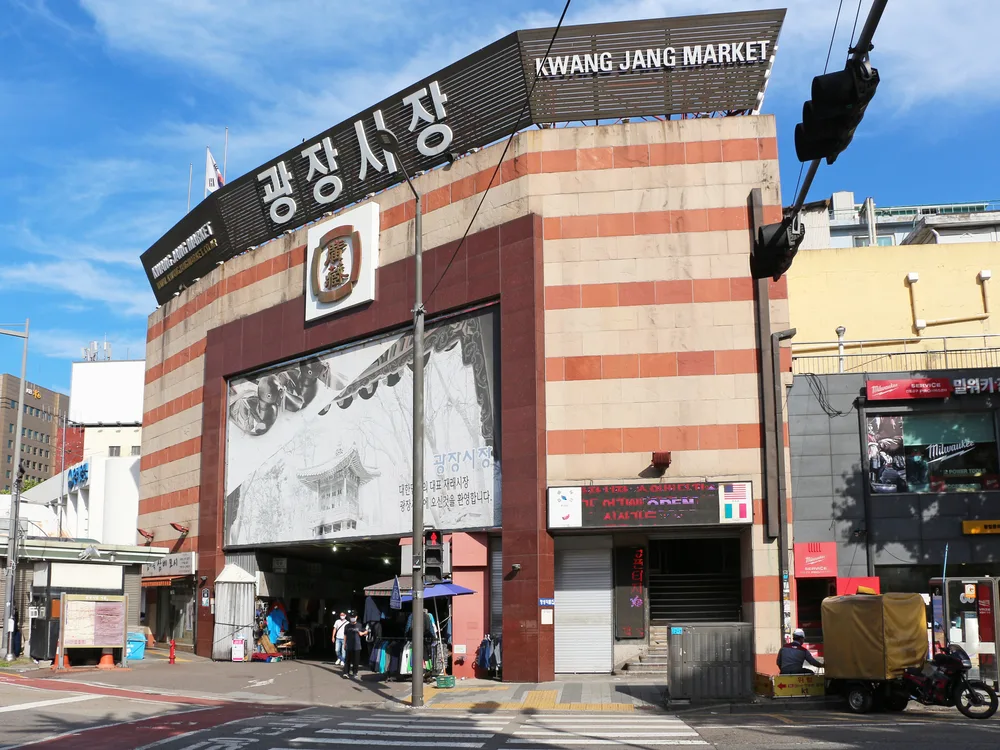
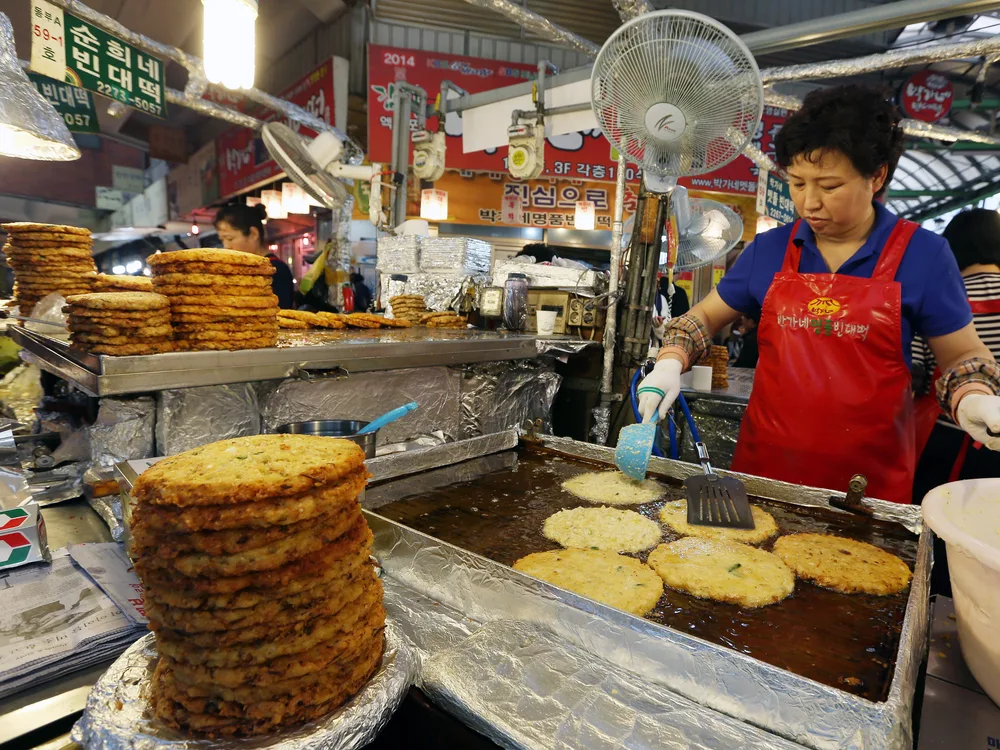
One of Seoul’s oldest markets and the easiest place to eat your way into Korean food without a plan. Pull up a stool at a stall and order bindaetteok (mung-bean pancake, fried to order), mayak gimbap (tiny “addictive” seaweed rolls), yukhoe (seasoned raw beef) if you’re game, and something from the tteokbokki pan. Cash and a bit of pointing go a long way.
It’s busiest and best in the evening, but plenty runs at lunch too. The food alley is genuinely touristy now — that’s the trade-off for it being easy — so if you want it quieter, go on a weekday afternoon.
Gwangjang Market
Jongno-gu
A low-stakes first taste of Korean street food in a proper old market hall. Sit at a stall, point, eat.
- Best time
- Weekday late afternoon for a balance of atmosphere and elbow room; some stalls close by early evening
- Getting there
- Jongno 5-ga Station (Line 1), Exit 8.
5. Seongsu-dong
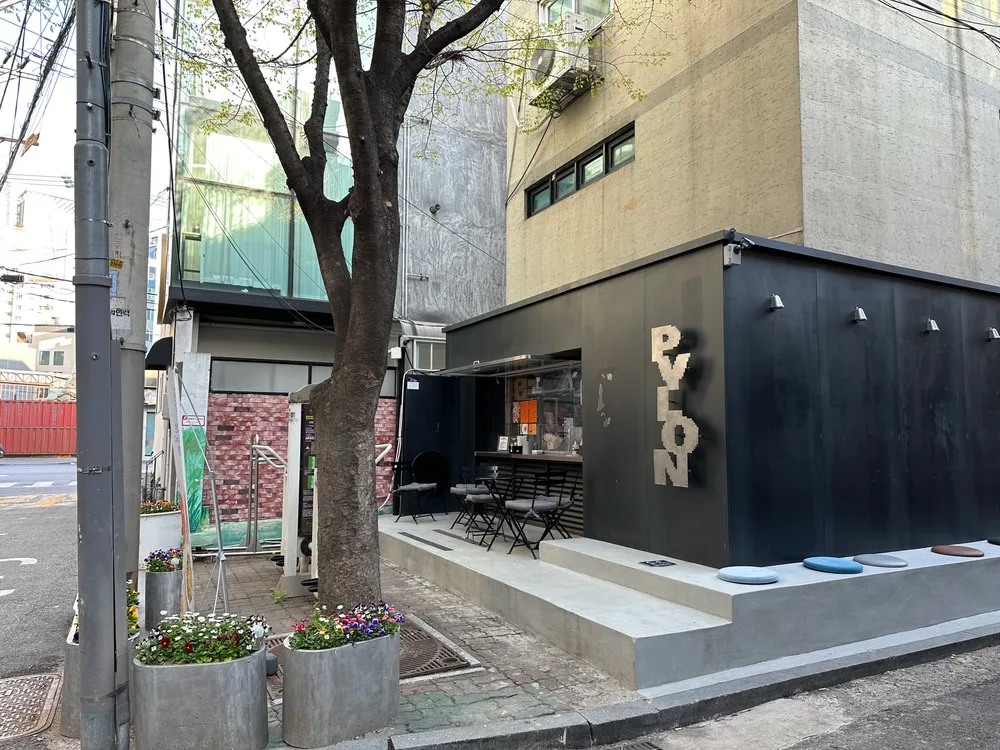
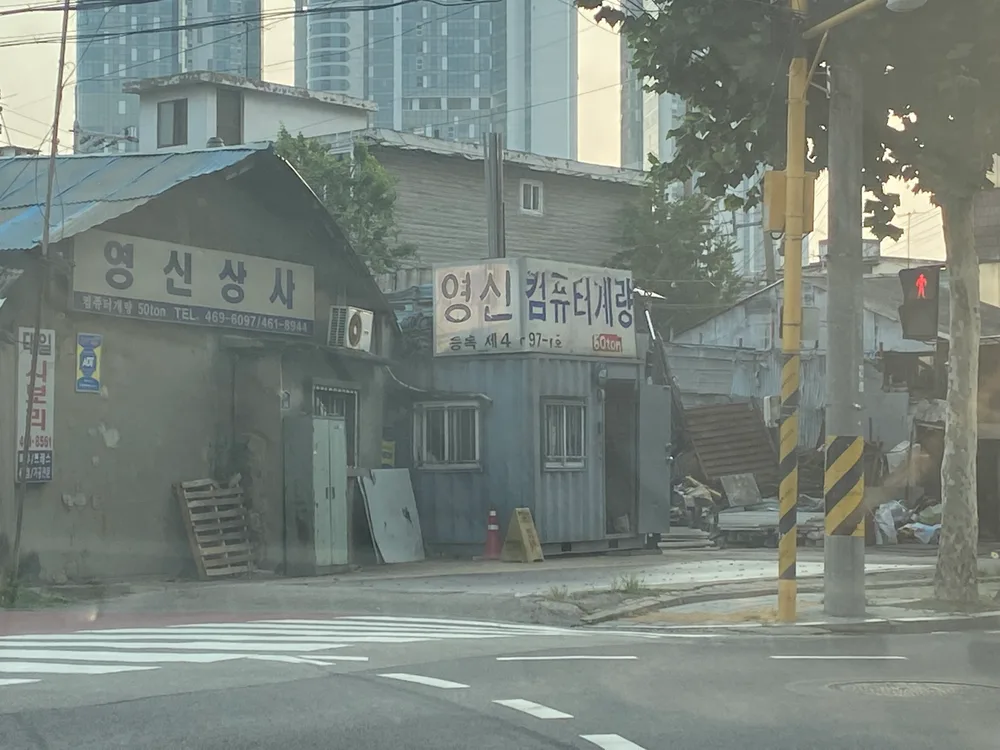
For the fifth stop I’d skip another historic site and cross the river to Seongsu-dong — a former shoe-and-metal workshop district that filled up over the last decade with cafes, concept stores, and galleries in the converted units. Some of the old workshops are still working, right next to a flagship store, which is the whole appeal: it hasn’t been tidied up.
There’s nothing you have to see — the point is to wander, get a coffee, and see contemporary Seoul at street level after a day of palaces. Seoul Forest park is right there if you want some green.
Seongsu-dong
Seongdong-gu, east of the Han River
Converted-workshop cafes, shops and galleries — a look at where Seoul's design and coffee scene actually is, and a good counterweight to the historic sites.
- Best time
- Afternoon into evening; many cafes stay open late
- Getting there
- Seongsu Station (Line 2), Exit 3 or 4.
How I’d string them together
- Morning (historic): Gyeongbokgung at opening → walk to Bukchon → lunch around Anguk or Insadong.
- Afternoon/evening (modern): Seongsu-dong for a few hours → back across the river to Gwangjang Market for an early dinner → Namsan for the lights. If that’s too much, drop Seongsu and take Namsan at a relaxed pace.
- It’s all on the subway. Buy a rechargeable T-money card at any convenience store; it works on trains and buses, and subway signage and announcements are in English.
Best time of year
Spring (April–May) and autumn (late September–October) are the most comfortable — mild, and in autumn the palace grounds turn. Summer is hot, humid and has a rainy stretch; winter is cold and dry, but the palaces are quiet and photograph beautifully under snow.
Related reading
Once you’ve done the city, get out of it for a day — see Best Day Trips from Seoul. Before any hanok stay, it’s worth knowing why Koreans take off their shoes indoors; and for the tone of casual Korean you’ll hear at Gwangjang, what ㅋㅋ means in Korean.
Sources
- Official Korea Tourism site (VisitKorea) — Korea Tourism Organization (accessed 2026-08-29)
- Gyeongbokgung — Wikipedia (accessed 2026-08-29)
- Bukchon Hanok Village — Wikipedia (accessed 2026-08-29)
- N Seoul Tower — Wikipedia (accessed 2026-08-29)
- Gwangjang Market — Wikipedia (accessed 2026-08-29)